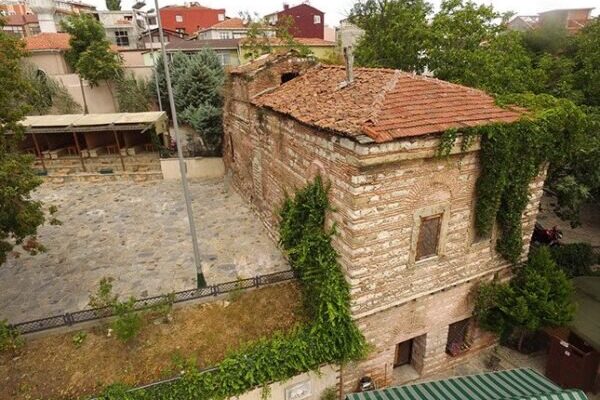
The Historical Building of the Transylvanian Ambassadors in Istanbul
John I of Hungary was in continuous contact with the Sublime Porte starting in 1527, and his fights against the Habsburg side were supported…
Details
John I of Hungary was in continuous contact with the Sublime Porte starting in 1527, and his fights against the Habsburg side were supported…
Details
Sándor Hadi was born in 1931 in the Black Sea-region city of Kastamonu to Hungarian parents working as engineers in Turkey. He graduated from…
Details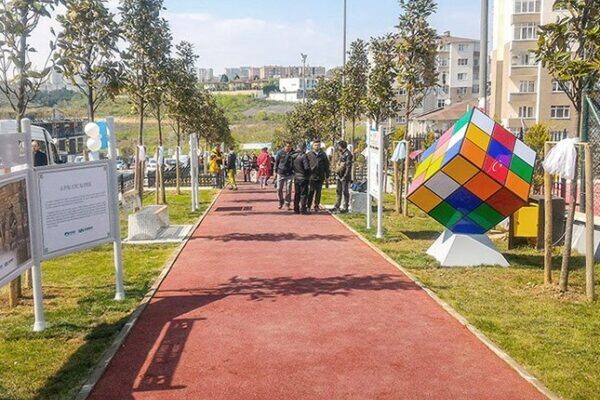
Due to the sister city relations between the Pendik district of Asian-side Istanbul and Kispest district of Budapest, the Mustafa Kemal Atatürk Park was…
Details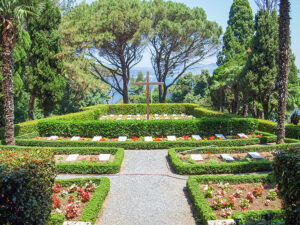
The first Austro-Hungarian artillery units arrived in the Ottoman Empire in the fall of 1915. These forces were used first in the Battle of…
Details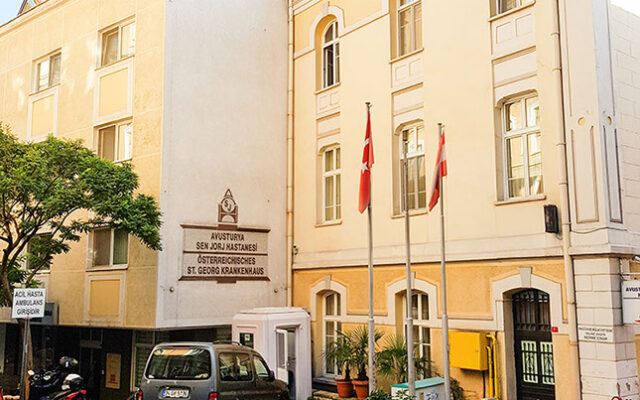
Aladár Kovách (1866-1922) was a doctor with extensive international experiences and a key figure in the establishment of Hungarian emergency services.
Details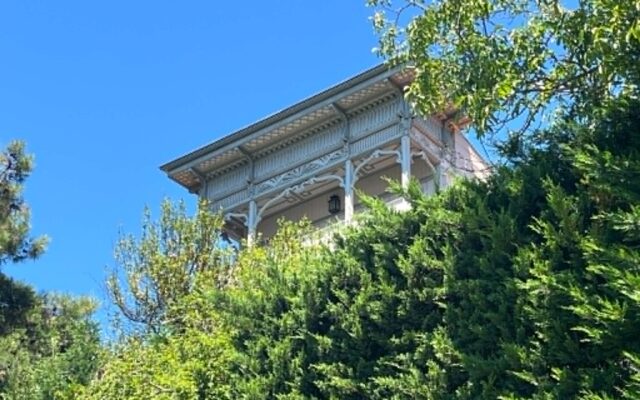
The house of Macar Feyzullah Pasha, sometimes named castle/hunting castle (köşk) or coastal villa (yalı) was built in the Çengelköy neigbourhood of the district…
Details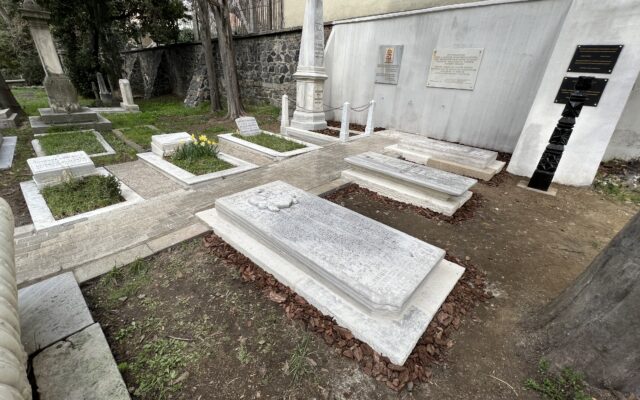
Sultan Abdulmejid opened a new cemetery for the Protestants in 1857, donating the territory in perpetuity to the Istanbul diplomatic corps of the Protestant…
Details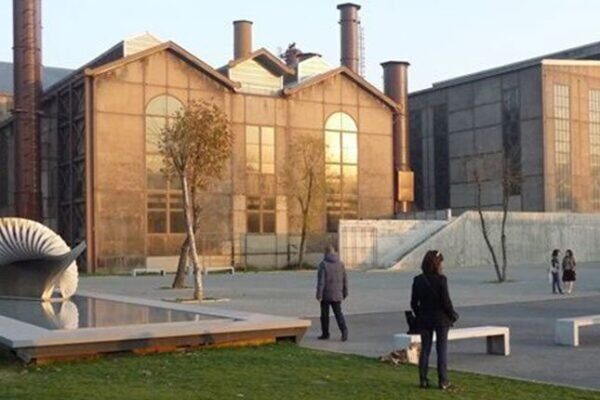
The Ottoman Empire was already a significant customer of the Ganz factory in the second half of the 19th century. The factory was focused…
Details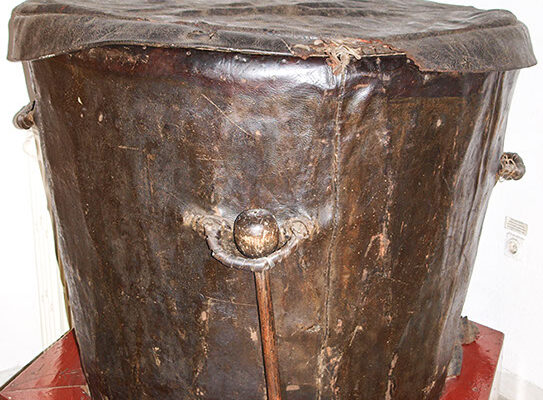
The first museum including Ottoman weapons, known as the Sultan Museum, was opened in Hagia Eirene church. Although other artefacts were moved away from…
Details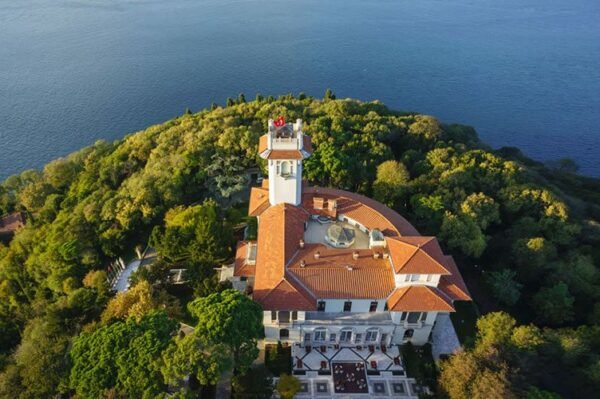
The Neo-Renaissance style fortress was built in the second half of the 1900s by the last governor (vali) of Egypt and Sudan, Abbas Hilmi…
Details