Semih Rüstem: The Adana Municipality Slaughterhouse
Semih Rüstem (1898-1946), is a Turkish Early Republican era architect who studied architecture in Budapest. His relationship with Hungarian Turanism and his architectural education in Hungary at the Royal Joseph Technical University and the Hungarian Royal Public Secondary Industrial School makes him an exception among Turkish architects. In the early 1930’s, he designed several buildings mostly under the influence of European Modernism but traces of these Hungary-related steps can also be followed in some of his designs.
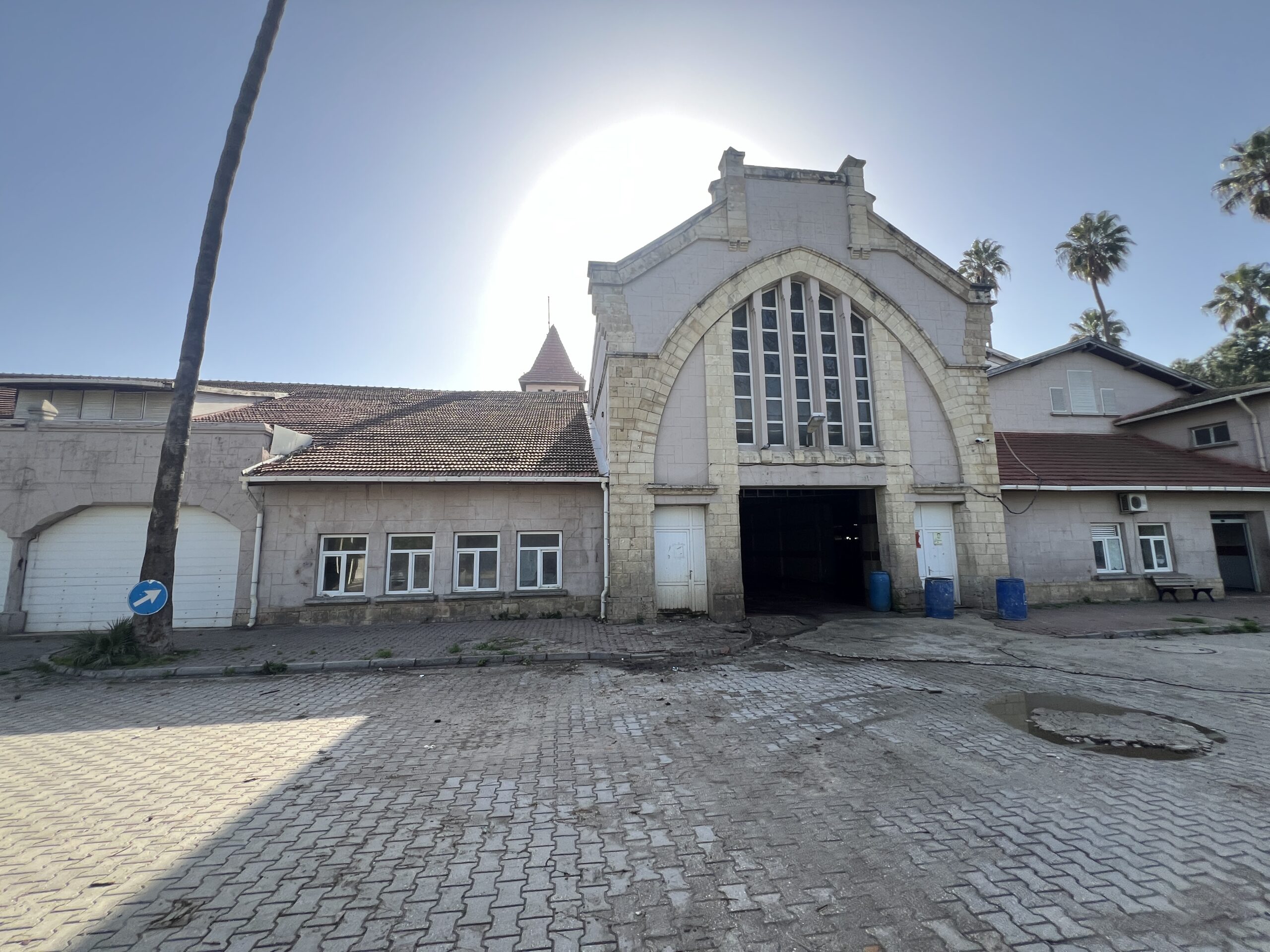
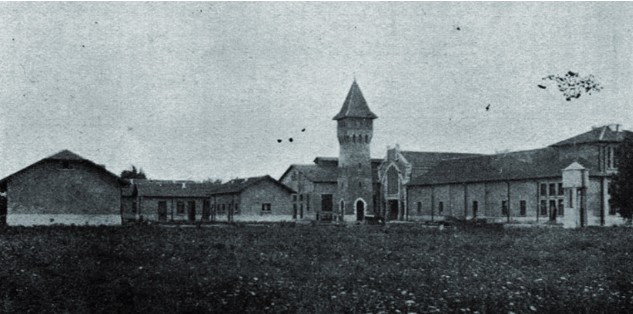
After returning to İstanbul with his Hungarian wife Elizabeth, Semih Rüstem started to work as a freelance architect designing several buildings between 1929-1933. In 1929, he initiated the Adana Slaughterhouse Project (Belediye Mezbahası, Adana, 1933), which can be considered as an ambitious project both economically and technically for the early republican years.
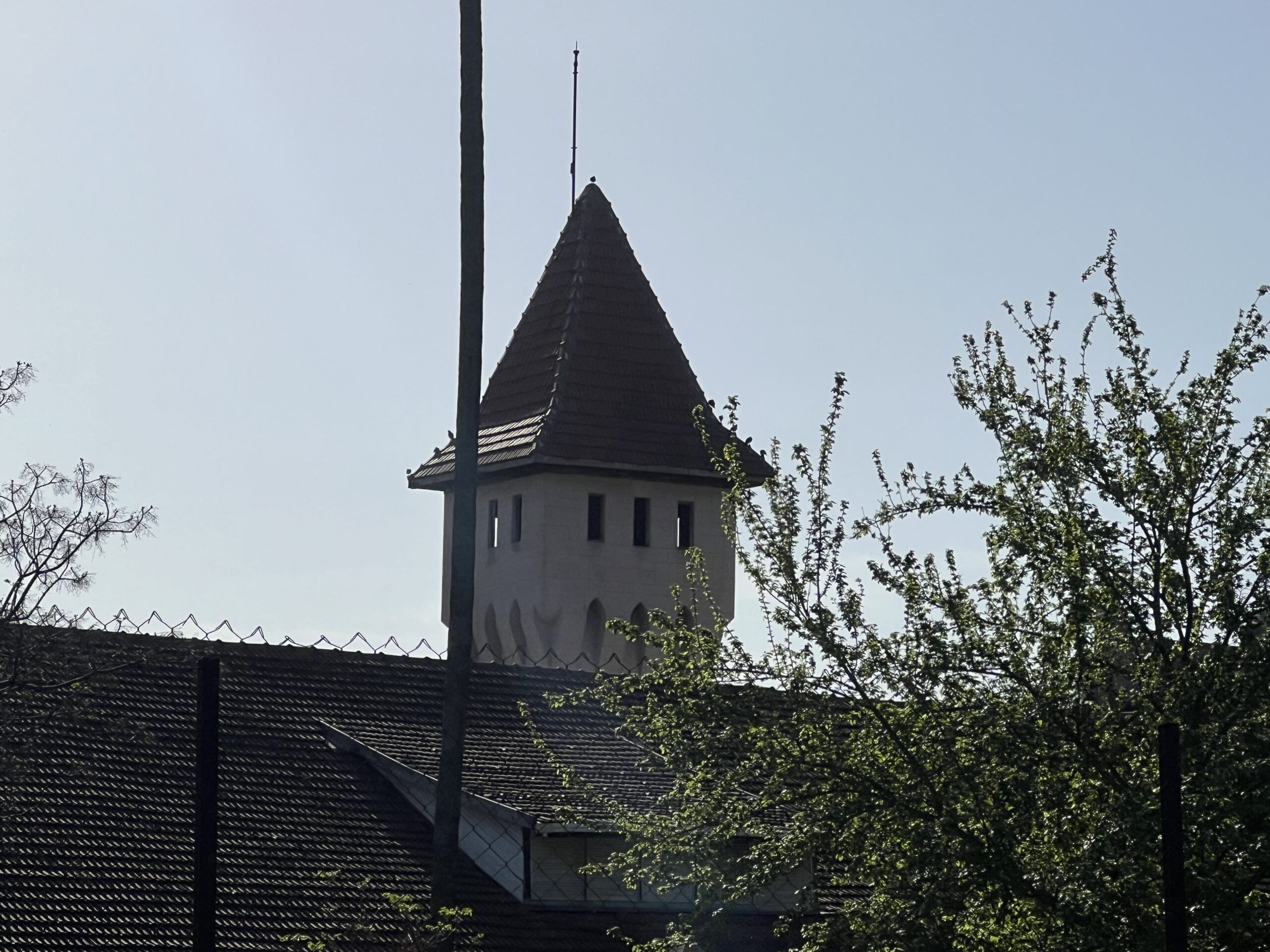
The water tower of the slaughterhouse is strikingly similar to the tower of “Vajdahunyad Castle” – officially the Historical Main Group of the Millennial Exhibition held in Városliget [City park of Budapest] – designed by Ignác Alpár and built in the beginning of twentieth century in Budapest. Because of the similarities between the two towers, such as the design of consoles and the roof; it can be argued that Semih Rüstem might have been inspired by the Vajdahunyad Castle while designing the water tower of Adana Slaughterhouse.
For details, see: Gümüş, M. D. (2015) “A Turkish Architect at Technical Unversity of Budapest: Semih Rüstem”, Periodica Polytechnica Architecture, 46(1), pp. 38–45. https://doi.org/10.3311/PPar.8205; https://pp.bme.hu/ar/article/view/8205/6819